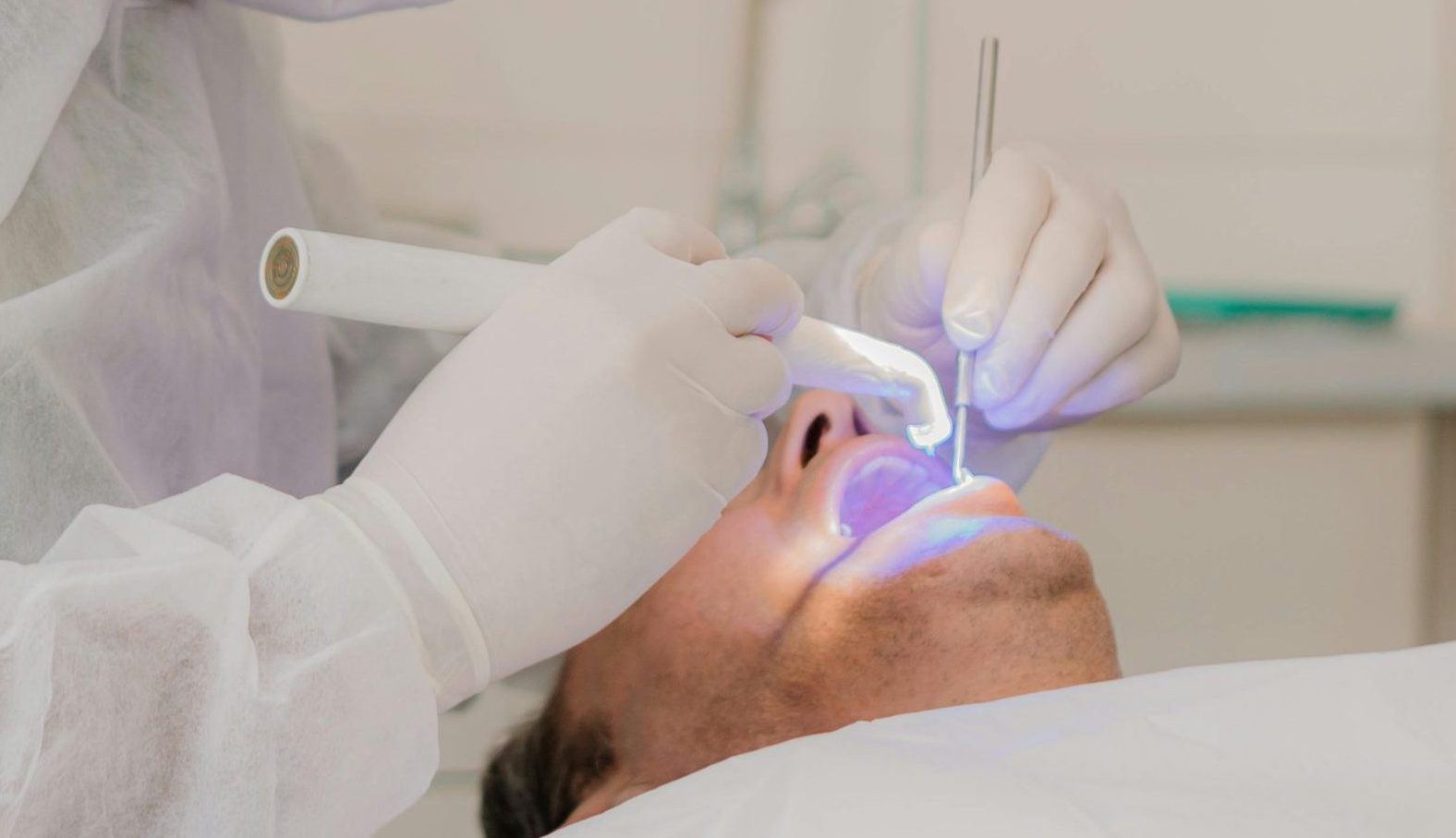
What Is the Procedure and Cost Associated with a Root Canal Treatment?
What Is A Root Canal?
A root canal is a dental procedure designed to treat infections or damage within the tooth’s pulp—the innermost part that contains nerves and blood vessels. This treatment aims to relieve pain and save the tooth by removing the infected tissue. When a tooth’s pulp becomes inflamed or infected due to decay, trauma, or cracks, a root canal becomes necessary to prevent further complications and preserve the tooth.
Causes for a Root Canal
Several factors can necessitate a root canal, including:
- Damage: Chips or cracks in the tooth can expose the pulp to bacteria, leading to infection.
- Decay: Extensive tooth decay can penetrate the outer layers of the tooth and infect the pulp.
- Disease: Conditions that weaken the immune system or severe gum disease can increase the risk of pulp infection.
Signs You May Need a Root Canal
Recognizing the signs that indicate you may need a root canal is crucial. Common symptoms include:
- Darkening of the affected tooth
- Swelling or tenderness in the gums near the painful tooth
- A small bump or pimple-like sore on the gums
- Lingering sensitivity to hot or cold stimuli
- Intense pain while chewing or applying pressure to the tooth
Cost of Root Canal Treatment
The cost of a root canal in Australia typically ranges from $1,200 to $1,800. This variation in price can depend on several factors:
- Type of Tooth: Front teeth generally have one canal, while molars can have multiple canals, affecting the complexity and cost.
- Dentist Expertise: An endodontist (a specialist in root canals) may charge more than a general dentist.
- Severity of the Condition: The extent of the infection or damage may influence the overall cost.
While root canal treatment can seem expensive, it is often less costly than extraction and replacement with a dental implant.
Procedure and Treatment Steps of a Root Canal
A root canal is generally a multi-step procedure that includes:
- Initial Consultation: Your dentist will explain the procedure, discuss potential risks and benefits, and have you sign an informed consent form.
- Numbing the Area: Local anesthesia will be administered to ensure comfort during the procedure.
- Removal of the Pulp: If necessary, a filling will be placed to isolate the tooth. The dentist will then remove the infected pulp from the tooth.
- Cleaning the Canals: After the pulp is removed, the canals are thoroughly cleaned, and medication may be placed inside to help eliminate bacteria.
- Temporary Filling: The canals are sealed temporarily while healing occurs.
- Follow-Up Appointment: At a subsequent visit, the temporary filling will be removed, and the canals will be cleaned and shaped for permanent filling.
- Permanent Filling: The canals will be filled with a biocompatible material, and a permanent filling will be placed on the tooth.
Aftercare Following a Root Canal
- Crown Placement: After a root canal, a crown or other restoration is often necessary to protect the tooth and restore its function. This helps prevent fractures and ensures the tooth can withstand normal chewing forces.
- Managing Pain: Some discomfort may occur after the procedure, which can usually be managed with over-the-counter pain relievers. If severe pain persists, it’s essential to contact your dentist for further evaluation.
- Oral Hygiene: Maintain a regular oral hygiene routine to promote healing and prevent future dental issues. This includes brushing, flossing, and attending follow-up dental visits.
Conclusion
A root canal treatment is a crucial procedure for preserving your natural teeth and relieving pain caused by infection or damage. While the cost may be higher than some other dental procedures, the benefits of saving a tooth and avoiding more extensive treatment in the future make it a worthwhile investment. If you suspect you may need a root canal or have questions about the procedure, please contact Niddrie Dental Clinic for personalized care and guidance. Your oral health is our priority!