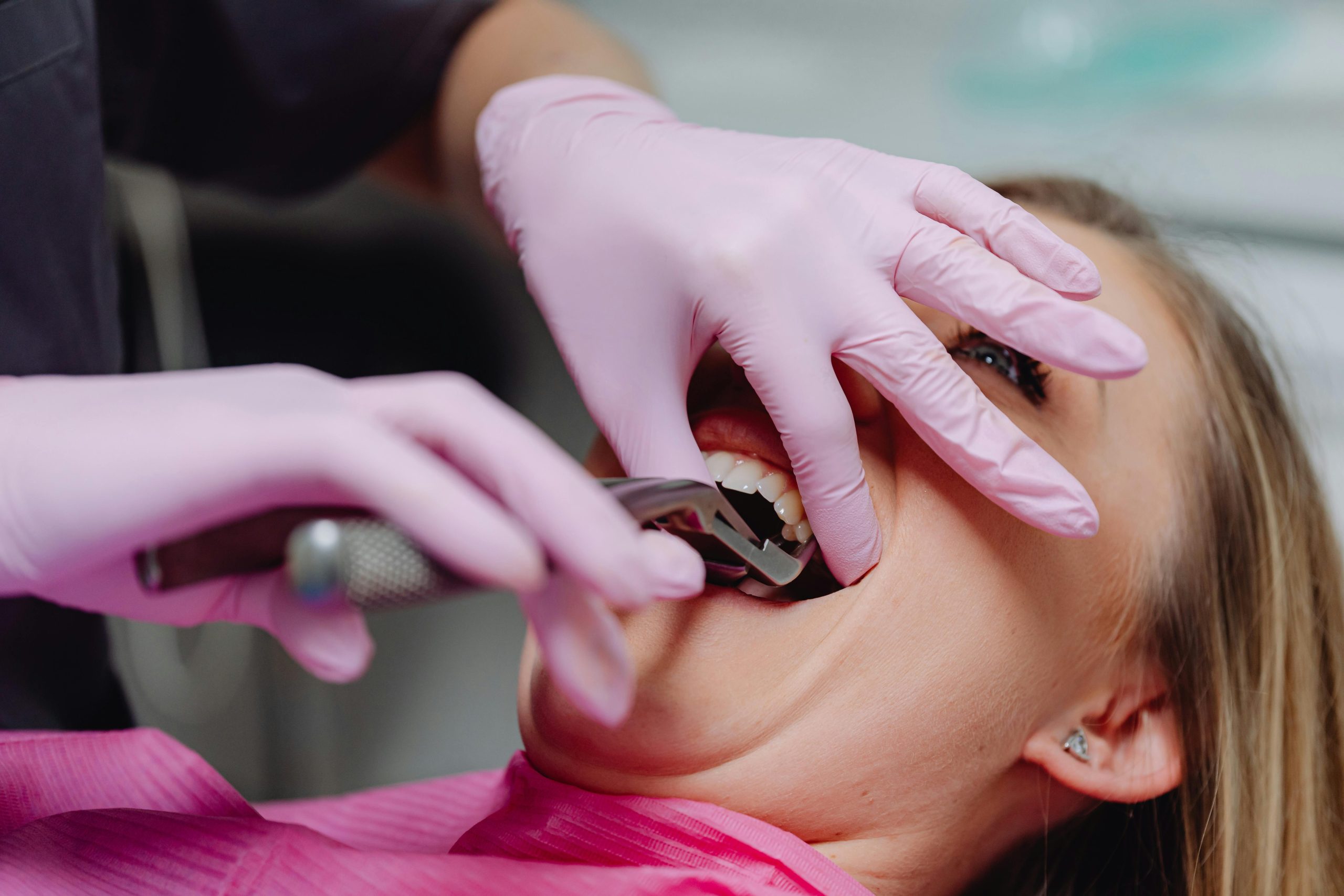
The Survival Guide to Your Wisdom Tooth Removal
Wisdom tooth removal services in Melbourne are in high demand, particularly for those experiencing discomfort or complications. Wisdom teeth, also known as third molars, typically emerge between the ages of 17 and 25—a period often referred to as the “age of wisdom.” While the thought of surgery can be intimidating, this guide will help you understand the procedure and the associated costs.
Why is Wisdom Tooth Removal Necessary?
Many individuals may face issues such as pericoronitis, an inflammation of the gums surrounding the wisdom teeth. In such cases, your dentist may recommend extraction to prevent further complications. It’s important to remember that each person’s experience with wisdom tooth removal can vary; some may find it easier than others. Always consult your dentist for personalized medical advice.
Your Wisdom Tooth Removal Experience
Here’s a breakdown of what to expect throughout the process:
Day 0: Surgery Day
The most crucial step is to ensure you choose a trusted dentist. Research local dental clinics in Melbourne to find one that meets your needs. On the day of surgery, your dentist may perform other procedures, such as Invisalign, dental cleanings, fillings, or veneers. Most importantly, remember to relax and treat yourself afterward—ice cream can be a comforting treat to celebrate your new wisdom-free state!
Day 1: Post-Surgery
You may find that while the pain subsides, your mouth may still feel unusual. It’s common to have difficulty opening your mouth or chewing. Stick to soft foods like smoothies, mashed potatoes, and protein shakes. It’s advisable to minimize talking during this recovery phase.
Day 2: Recovery Continues
Day 2 will likely mirror Day 1. Prioritize rest and continue eating soft foods. Be cautious when touching the extraction sites. To reduce swelling, apply warm, wet towels to your cheeks.
Day 3: Improvement
By Day 3, you should feel significantly better, though you may still struggle with mouth mobility. Yogurt can be added to your diet as a soft food option. Overall, it should be a more comfortable day compared to the previous two.
Day 4: Antibiotics
On Day 4, your dentist may prescribe antibiotics to prevent infection. If you experience any side effects, contact your dentist immediately and discontinue use.
Day 5: Chewing Again
By Day 5, you should notice further improvements. You may be able to chew more comfortably and enjoy a wider variety of foods. However, you might still find it difficult to fully open your mouth.
Day 6: Check-Up Day
Day 6 is your follow-up appointment with the dentist. They will conduct a thorough examination of the extraction sites. Additionally, your dentist may provide you with a syringe to help clean the sites after meals.
Conclusion
Wisdom tooth removal doesn’t have to be a daunting experience. With the right preparation and care, you can navigate the recovery process smoothly. If you have questions or concerns about your wisdom teeth, don’t hesitate to contact a trusted dental clinic in Melbourne for guidance and support.